


Gardening for Beginners
Are you thinking of taking up gardening?
Gardening is becoming increasingly popular, with nearly 40% of adults in the UK regularly getting involved. It’s a great way to spend time outdoors, stay active, and even improve your mental wellbeing. According to Forbes, when you dig in the soil, you breathe in microbes that can boost serotonin, which helps you feel calm and happy.
However, if you’re new to gardening, it can feel overwhelming knowing where to start. From choosing the right plants to understanding seasonal care, there’s a lot to learn.
At Online Turf, we have farming roots that span over 90 years and have been growing our own turf for more than two decades. To help you get started, we have put together some gardening for beginners tips to help you garden with confidence and without the stress.
Buy Your Tools
While it may be tempting to simply go online or to a garden centre and get all of the plants that your heart desires, there are a few steps that you should focus on beforehand. Buying the right tools is one of them.
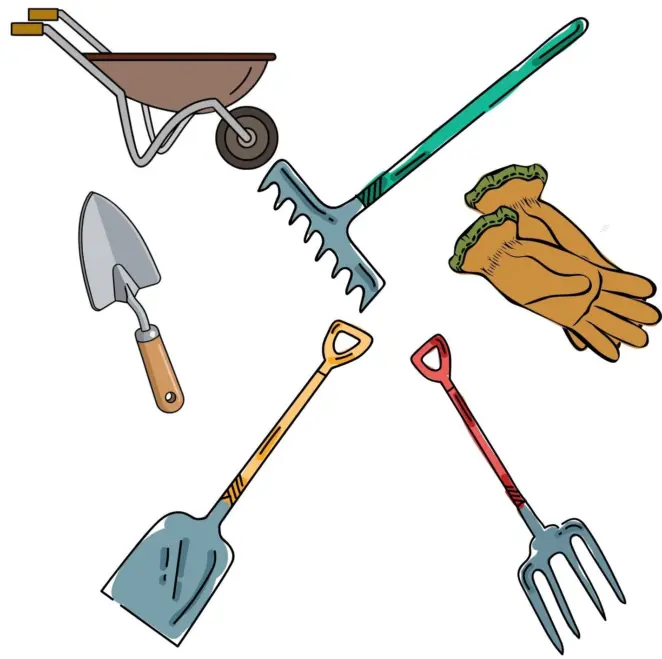
Starting with gloves, these will protect your hands from any injuries, such as cuts and blisters. They also prevent these injuries from later turning into infections.
Some other must-have tools include:
- Trowel: Ideal for digging small holes in the ground, transplanting, and planting bulbs and seedlings into containers or borders.
- Wheelbarrow: A must-have for any large gardens. A wheelbarrow makes moving heavy garden items around much quicker and easier.
- Garden Fork: A handy tool that can be used for a wide array of jobs, such as breaking up compacted soil.
- Rake: A perfect tool to keep your garden clean and tidy. It can be used to remove fallen leaves and moss build-up on your lawn.
- Shovel and Spade: Ideal for any digging and moving earth.
If you are planning to have a lawn, make sure to invest in a good quality lawn mower. Without it, your lawn would quickly grow too long and have an untidy appearance. Mowing it regularly, on the other hand, promotes denser grass, allowing it to keep unwanted weeds at bay. For best results, never take more than one-third of the grass height and keep your mower in the best shape by following our ‘Lawn Mower Maintenance: All You Need to Know’ guide.
Plan Your Garden Layout
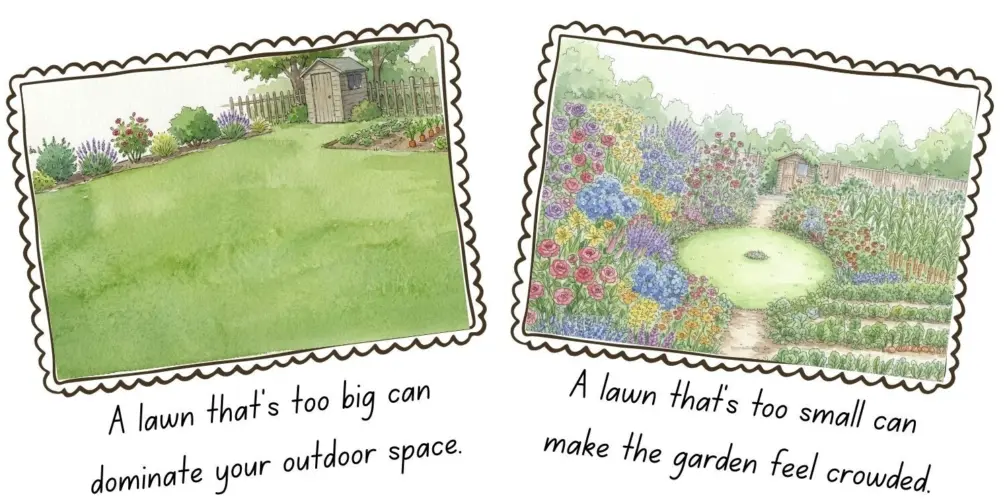
Spending some time sitting down and planning how you want your outdoor space to look is the best thing that you can do for your garden. We always recommend starting with your lawn first. When done right, it can work like a beautiful green carpet that ties everything together. If left till last, you can end up with a lawn that’s either too small as the other plants took more space than expected, in an awkward shape, or too big, dominating the space.
Simply measure your garden and make a few sketches of your plan. At this stage, it is important to think about how much sun your garden is getting. South-facing gardens will get the most sun, while north-facing ones get the most shade. Not taking this into consideration could lead to you buying the wrong kinds of plants that would then struggle and never truly look their best.
To learn more about planning your outdoor space, visit our ‘Landscaping with Turf: How to Plan & Design Your Dream Garden’ guide.
Spring
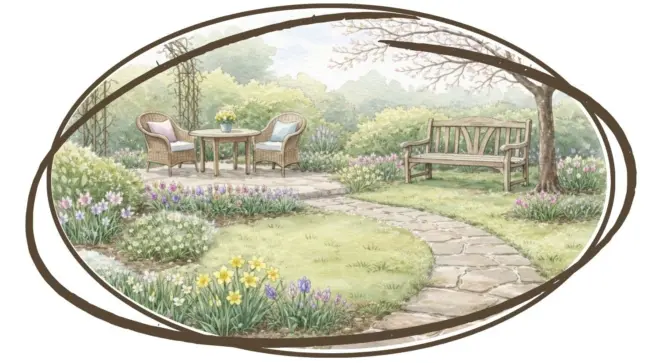
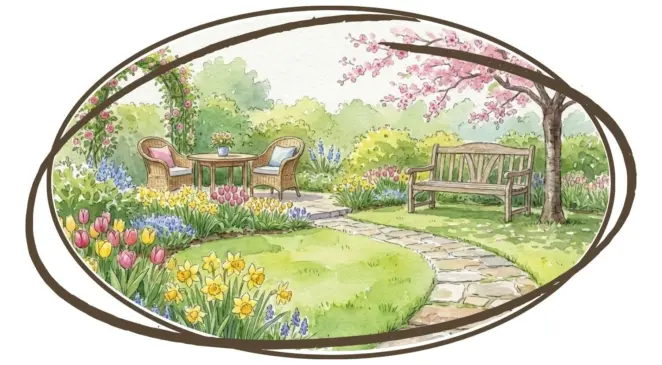
Spring is considered the start of the gardening season. Depending on how harsh the winter was, you may have some plants to replace in the garden. Once this is done, consider scarifying and aerating your lawn to help it recover too. With mild temperatures and more sunshine from the days growing longer, spring is the perfect time to start any of your garden projects.
Summer
While a lot of us enjoy the long days and warm temperatures, summer can be a difficult time for your garden. Make sure to keep an eye on the weather forecast and water your plants deeply when necessary to prevent them from drying out. If you have an established lawn, you can either water it regularly to keep it looking its best, or allow it to dry out, as it will green up again once the rain returns. This doesn’t apply to freshly laid turf or new grass seed, as these need regular watering to help them grow properly.
Autumn
Autumn is the perfect time to prepare all your plants for winter.
If your lawn has seen a lot of foot traffic over the summer, make sure to scarify and aerate it again. This will loosen the compacted soil and improve its drainage, allowing it to withstand the heavy rainfall that the colder months tend to bring. Once this is done, overseed the area to repair any summer damage and create a thicker lawn that will be more resilient to cold and any diseases.
To prepare your other plants, apply 2-3 inches of organic mulch around their base. Not only will this work as a blanket, insulating the plants’ roots and keeping them warm, but it will also slowly improve the soil’s structure as it decomposes over time. On top of this, mulch helps to prevent weeds from germinating by acting as a physical barrier that blocks sunlight, which most weeds need to sprout.
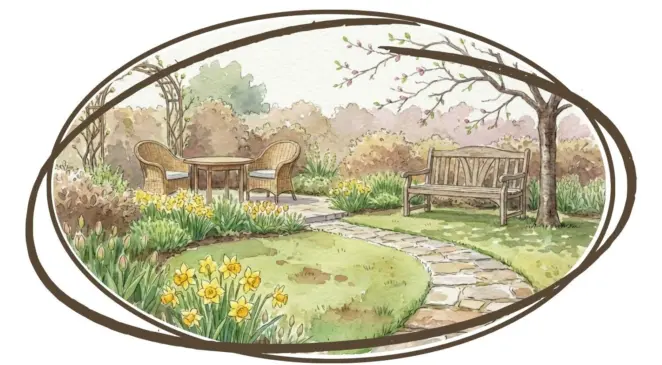
If you have any pots, move them to a sheltered area and wrap them with horticultural fleece for protection.
Lastly, autumn is a great time to trim any hedges you have as it avoids the bird nesting season and allows for regrowth before spring.

Winter
Winter is the perfect time to give your garden, and yourself, a well-deserved break!
Perform your last mow of the year as soon as the temperatures consistently drop below 7°C, as this is when grass stops growing. Once the temperatures drop below freezing, avoid walking on your lawn, as it can compact the soil and damage its blades.
If you want to get a head start on spring, winter is a good time to repair, clean, and oil all your tools, so you can be ready to go as soon as the spring comes around once again.
Make sure to check out Online Turf’s Lawn Care Calendar for complete guidance on how to take best care of your lawn each month.
Plant Your Plants
Once you have finished designing your new routine, it is time to bring your garden to life - an exciting step in gardening for beginners. This can either be done by planting young plants or sowing seeds directly into the soil.
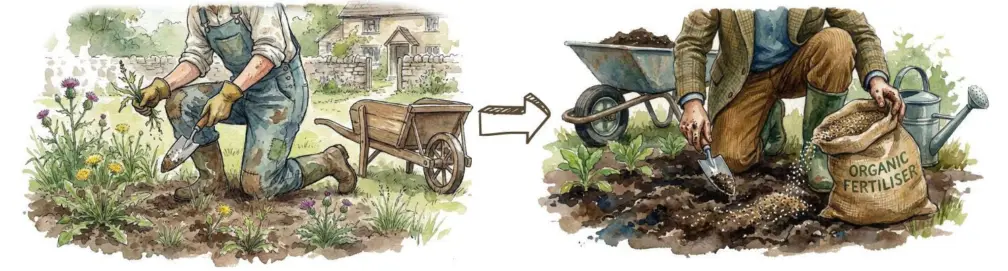
Start by weeding the area, as any leftover weeds can compete with your new plants for water, nutrients, and sunlight, making it harder for them to establish properly. Then, add mulch or fertiliser to improve the soil. According to Gardeners' World, ‘If you're unsure how to plant something, look online for instructions rather than just hoping for the best. Trees planted too deeply will never thrive, and rootballs that sit proud of the soil surface will dry out quickly, leading to the eventual death of the plant.’
Lay Turf
If your garden doesn’t have a lawn yet, or your old grass is ridden with disease and weeds, consider laying new turf. Not only will it be ready for you and your family to use in as little as 6-8 weeks depending on the weather, but it will also help your garden feel neat and cared for, even if you’re still learning how to look after plants and other features.
Start by completely removing any existing lawn, as new turf needs direct contact with the soil to root properly. For smaller areas, this can be done with a spade, while larger gardens are easier to handle with a turf cutter. Next, clear the area of any leftover plants, weeds, or debris.
Use a spade or garden fork to dig to about 6 inches, breaking up any compacted soil. If this is difficult, adding some high-quality topsoil can help your turf take root more easily. Once the soil is level, rake and firm it, as dips can cause water to pool. Then, lay your turf carefully.
For more detailed, step-by-step instructions, check out our How to Lay Turf: The Ultimate Guide.
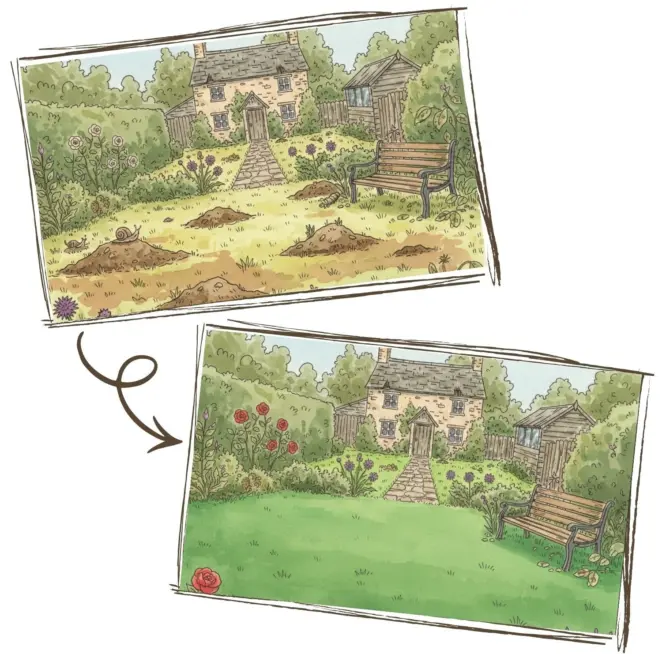
Now that your garden is all set up, keep caring for your plants and stick to the routine you’ve created. Over time, you can add new features, like a compost pile to turn kitchen scraps into nutrient-rich compost, or plants that attract wildlife to your garden.
If you’re ready to give your garden a lush, deep-green foundation for your outdoor project, check out our fresh, high-quality turfto get started with ease.